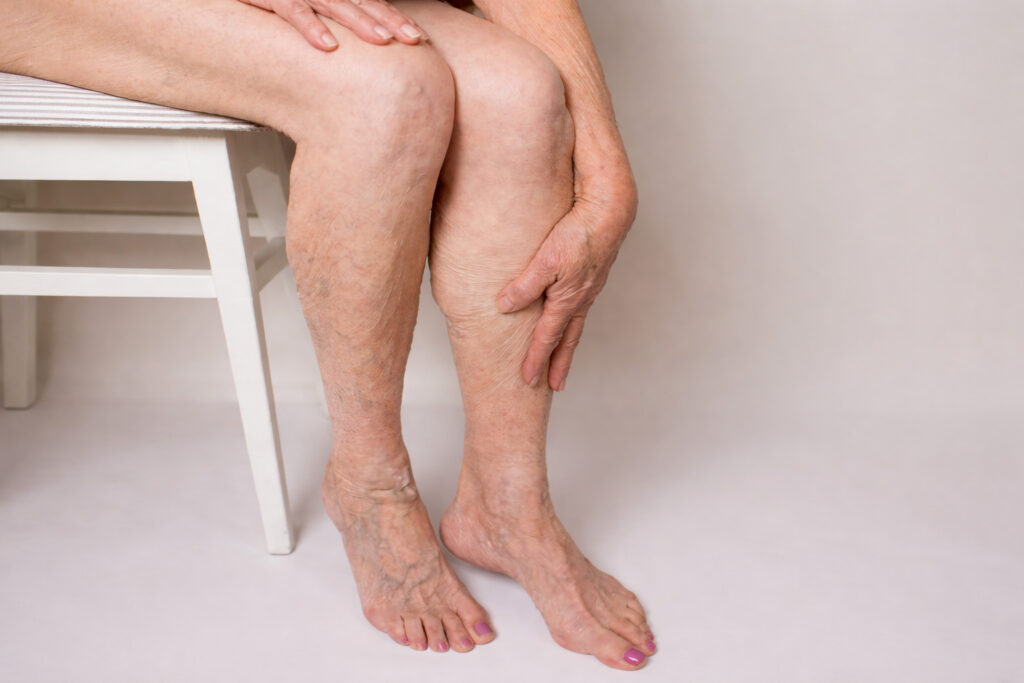
Varicose veins are enlarged, twisted veins that most often appear in the legs. They develop when vein valves weaken and blood has a harder time flowing upward toward the heart. As pressure builds, veins stretch and become visible at the surface.
Many people seek care because of discomfort, swelling, or heaviness—but treatment can also help reduce the risk of complications related to poor circulation.
Common Symptoms
You may notice one or more of the following:
Aching, soreness, or burning in the legs
A heavy or tired feeling that worsens after standing
Swelling around the ankles or lower legs
Itching or irritation over the vein
Night cramps or restless legs
Skin discoloration or tenderness near visible veins
Call promptly if you have sudden, painful swelling, redness/warmth in one leg, a new hard tender cord-like vein, or any chest pain/shortness of breath.
Why Varicose Veins Happen
Varicose veins often develop from a combination of factors, including:
Family history and genetics
Pregnancy and hormonal changes
Prolonged standing or sitting
Aging and natural valve wear
Extra weight increasing pressure in leg veins
Prior blood clots or vein injury
Are Varicose Veins Serious?
Varicose veins can range from mild to medically significant. Beyond appearance and discomfort, untreated vein disease may lead to:
Persistent swelling
Skin changes (darkening, thickening, irritation)
Venous eczema
Slow-healing sores near the ankle (venous ulcers)
Episodes of inflamed superficial veins
A professional evaluation helps determine whether the issue is superficial, deeper valve reflux, or another circulation concern.
How We Diagnose Varicose Veins
Accurate diagnosis starts with understanding how your veins work.
Varicose veins often reflect an underlying valve problem, not just what you see on the surface. Our evaluation is designed to identify the cause and guide the right treatment plan.
1
Symptom & history review
We discuss your symptoms, when they occur, what worsens them, and any family history or prior vein treatments you have had.
2
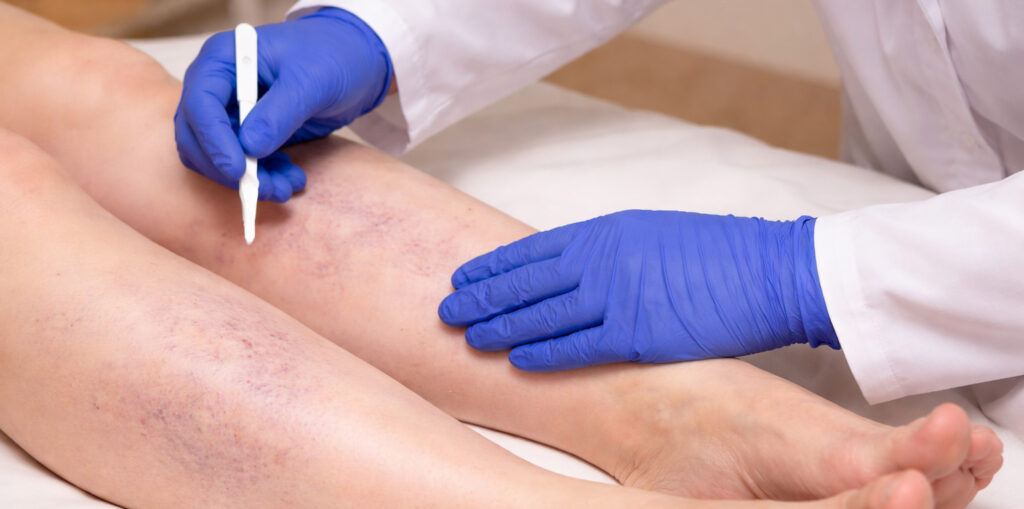
Physical leg exam
We examine your legs for visible vein patterns, swelling, tenderness, and skin changes that may suggest underlying valve problems.
3
Duplex ultrasound scan
If needed, we perform an ultrasound to measure blood flow, identify reflux, and map which veins are contributing to symptoms.
4
Results & care plan
We review your findings in clear terms, answer questions, and recommend next steps based on your goals and clinical needs.